Art and client work have been major aspects of my life. I’ve been doing commission work and freelancing from a young age. This has forced me to become adaptable and develop new styles, which I’ve grown fond of. Providing people with something they need, not always what they initially wanted, is truly fulfilling. I’ve become accustomed to balancing professional opinions with customer wants and needs.
The work you see is the amalgamation of lessons I’ve learned with every artistic medium I could get my hands on – from traditional oil painting, sewing, and jewelry making, even audio design. These lessons propelled me forward in the mainline work of graphic design, UI/UX, and photography. As I’ve grown, I have continued with this mentality; the niches of the art community and technological improvements continue to lead me to explore the limits of AI as a medium alongside other things.
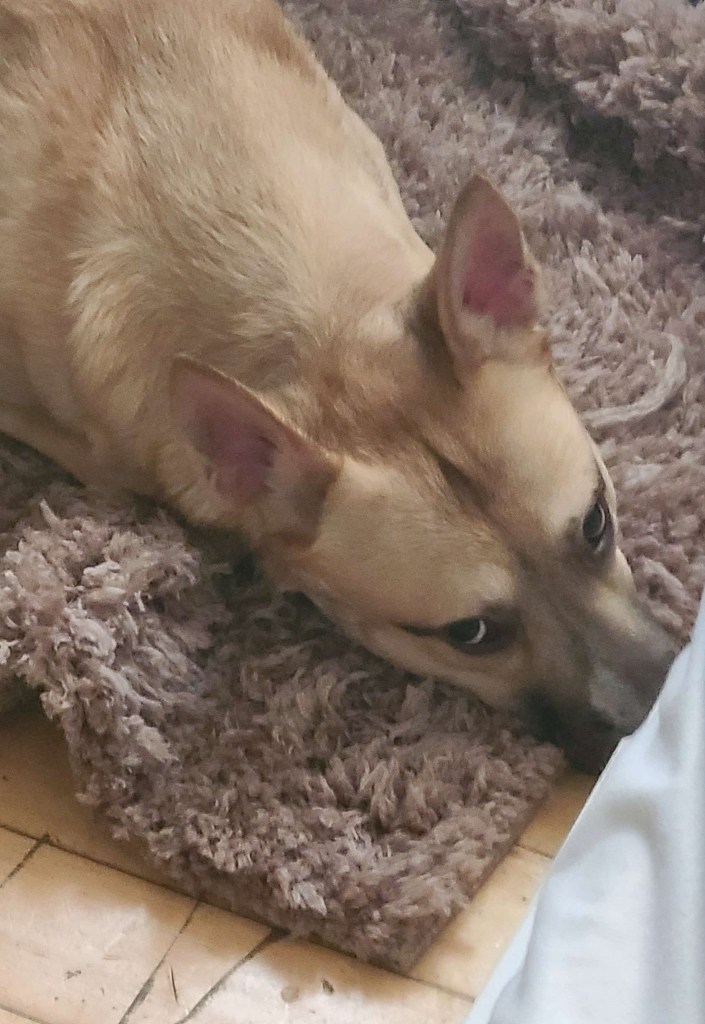
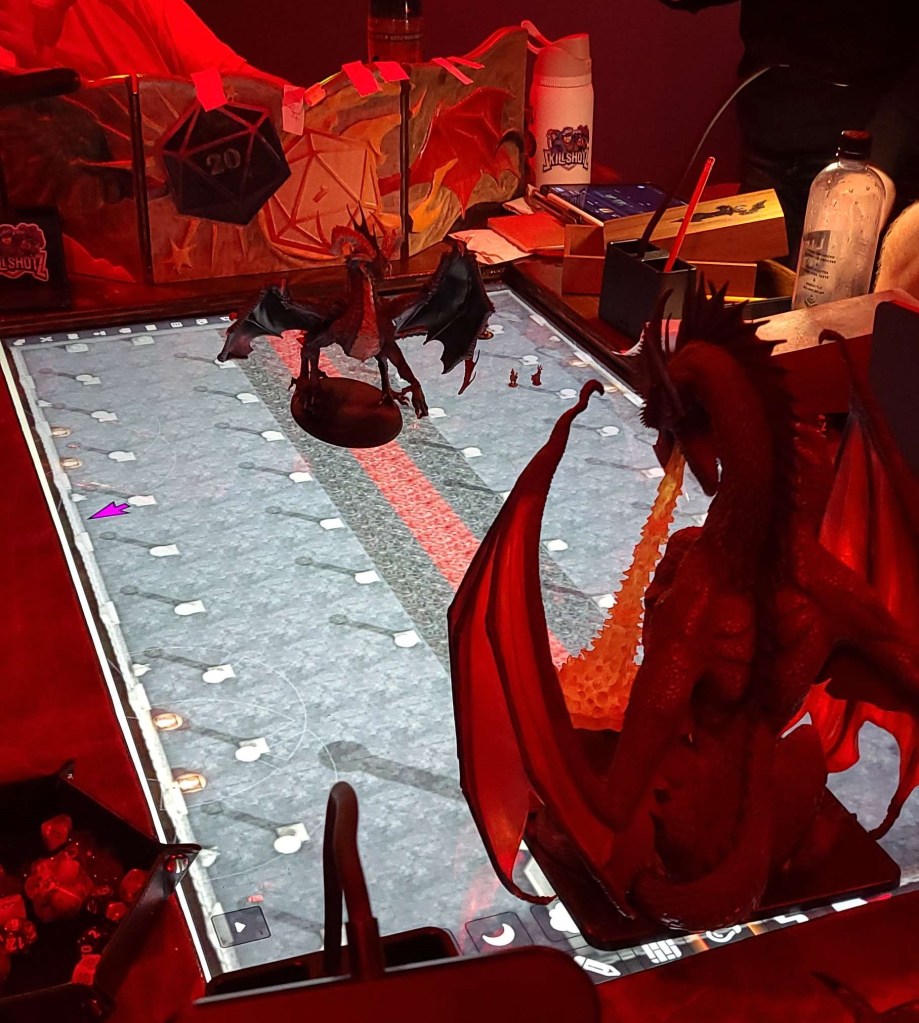
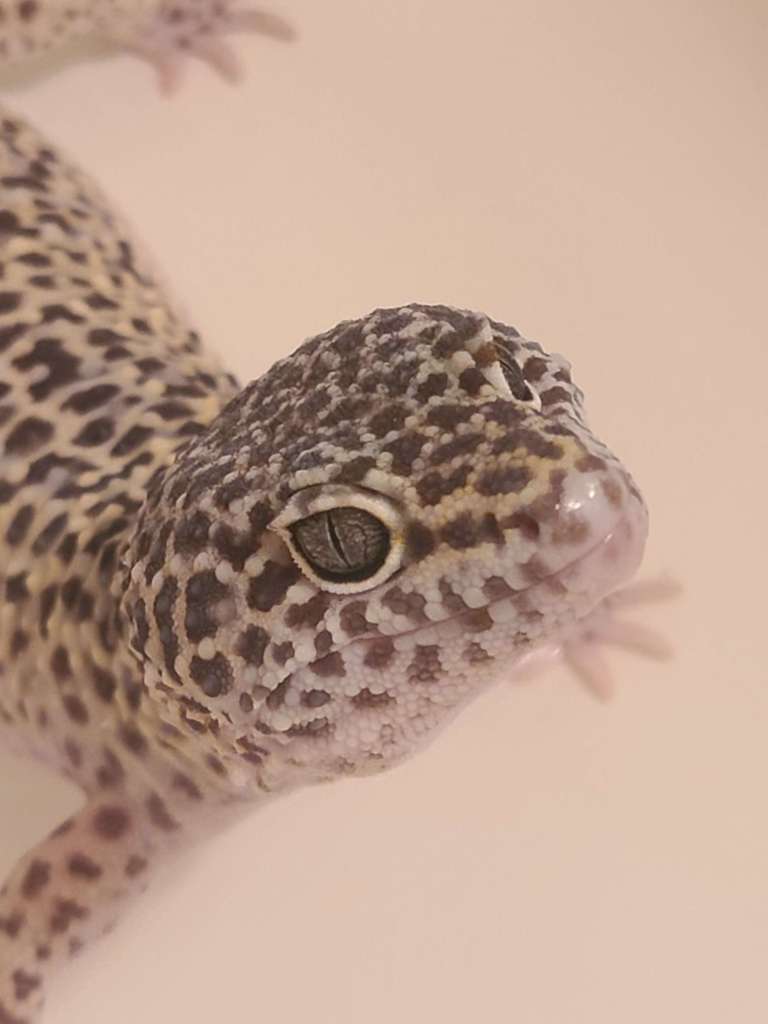
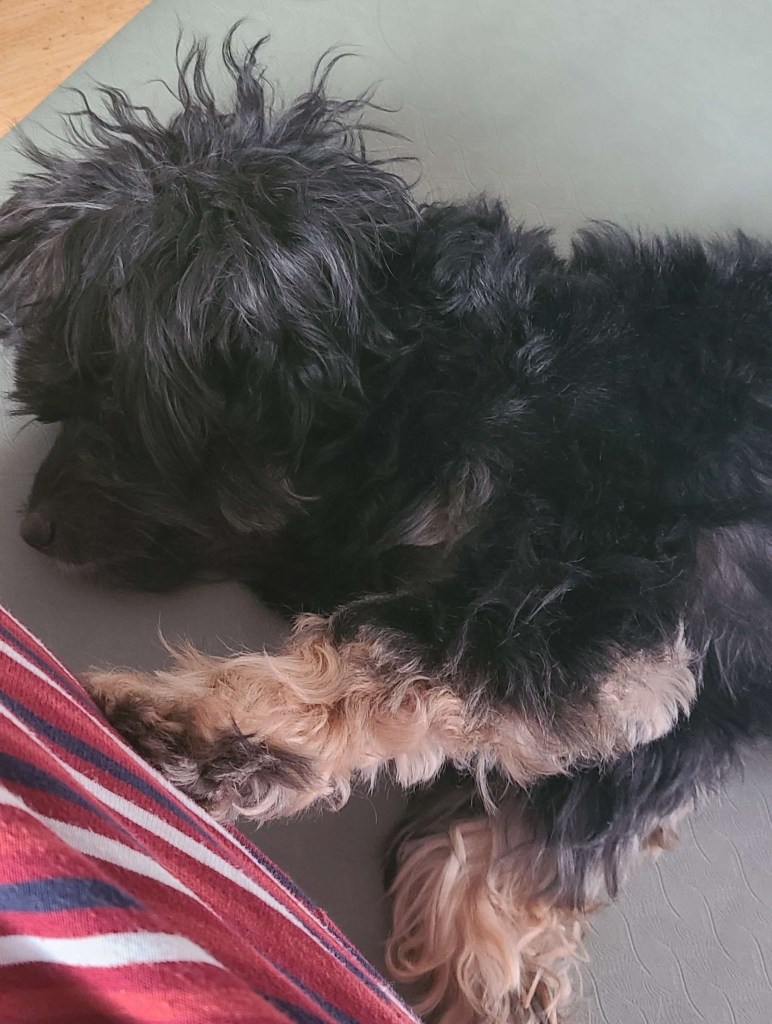
My free time is spent gaming, mostly tabletop, playing with my pets, working out and escape rooms. I’ve become a game master for multiple game systems and groups, which involves leading a large group through many different and changing game systems to arrive at the most satisfying “endings”, all while managing various personalities. Becoming a game master has become a gauntlet for on the spot problem-solving and critical thinking beyond my usual work. My pets simply bring me so much joy, my eclectic bunch of boys are a treat. Yoga and weightlifting have become such a wonderful aspect of my life to decompress and find joy in my day to day. Escape rooms with friends are the ultimate test of friendship and teamwork, one that forces you to figure out in a time limit.
my process
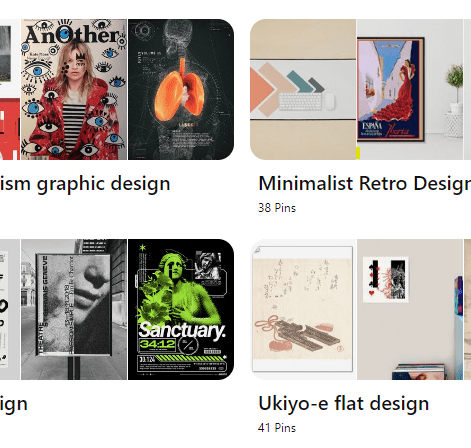
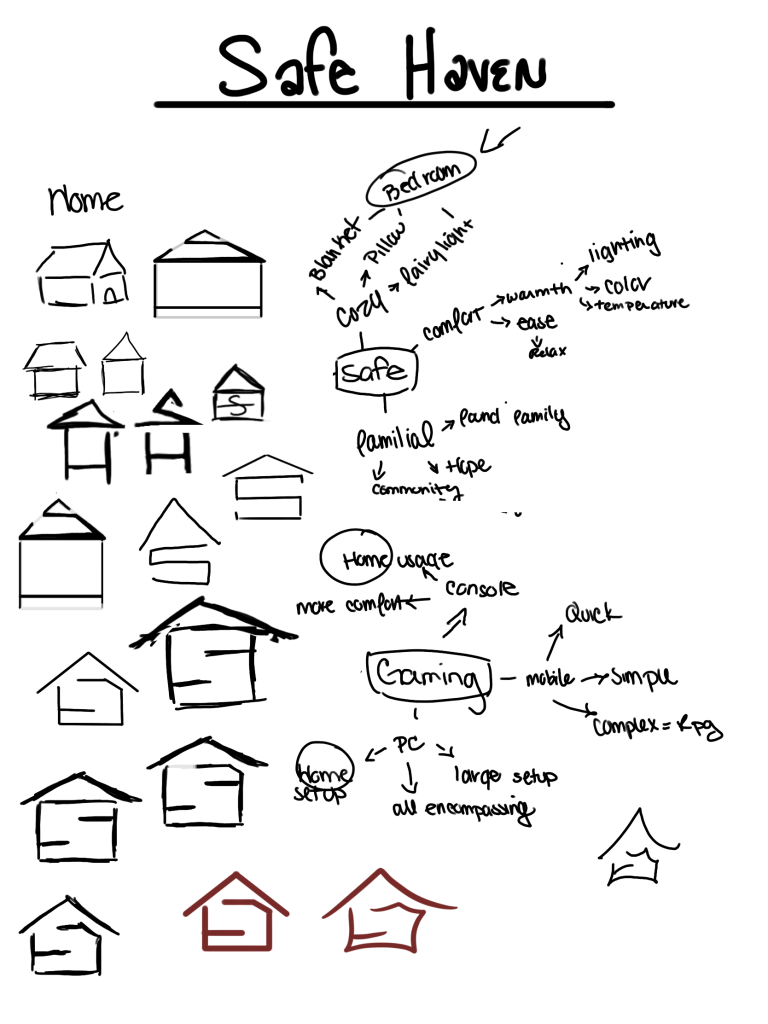
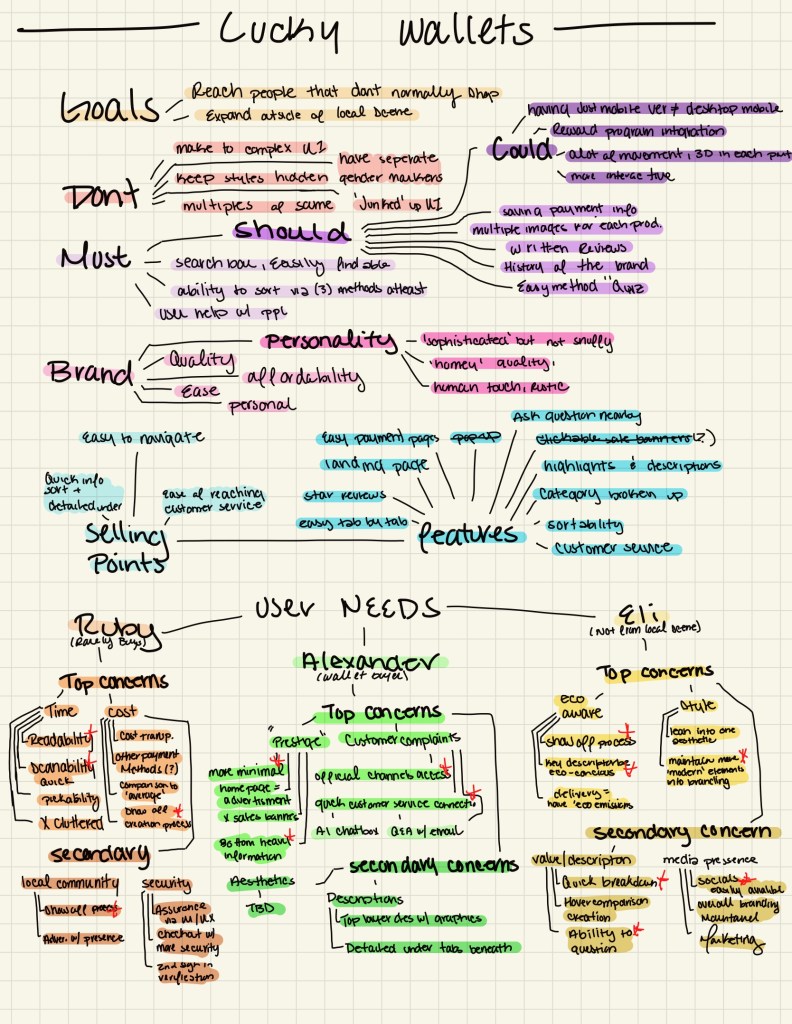
First, we must consider the type of project, communication with the client, and the timeline. All of these things can directly influence the difficulty of a project, leading to more or fewer steps. Another aspect is my rapport with the client, which means I can address individual needs. This doesn’t mean there isn’t a basic formula I follow and generally adhere to.
Expectations
Freelance work begins with an initial questionnaire to record information and assess whether I’m a good fit for their budget or needs. From there, we move to a more direct stage of communication which elaborates on their answers and clarifies the details.
Research
Examining my past work and understanding where they find the most value is crucial, especially in freelance work. They chose me for a reason, so reviewing the past informs the future. This is also to assess what I did previously and what I would have done differently to avoid repeating the same mistakes. Defining what a client wants is a fundamental part of a professional’s job and needs to be done as swiftly and precisely as possible.
Development
This is where rough work gets refined, occasionally with the assistance of AI to expedite the process. After the iteration process is complete, we enter a refinement stage based on the best versions, which involves individual critiques.
Critique
Presenting a top 5 during internal discussions is acceptable. If the clientele is highly involved, one should only showcase a maximum of 3 iterations. More than that can lead to indecisiveness and create an impasse where the client is never satisfied. It’s your responsibility to present the cream of the crop. With clientele, this should be in a PowerPoint format, explaining the reasoning behind the decision-making.
From there, the development and critique cycles continue until a finished product emerges.
 Moss and Stuf Desig